Proaza — Valdemurio
Your route, stop by stop
Proaza
Start StartBegin after visiting the bear enclosure or at the end of Tuñón–Proaza. The branch to Valdemurio starts just past the village bridge.
Bosque de Santo Adriano
Km 1–4Dense beech and oak woodland covers both sides. The canopy closes overhead and the temperature drops — a sensation quite unlike the main route.
Quirós Valley Viewpoint
Km 5A natural clearing opens with panoramic views of the Quirós valley: river, terraced fields, a village and more mountains beyond. One of those views that justify the detour.
Abandoned Mining Station
Km 7The ruins of a small loading station from the old Quirós mining railway. Nothing restored — which gives it a wild, authentic atmosphere unlike any heritage centre.
Embalse de Valdemurio
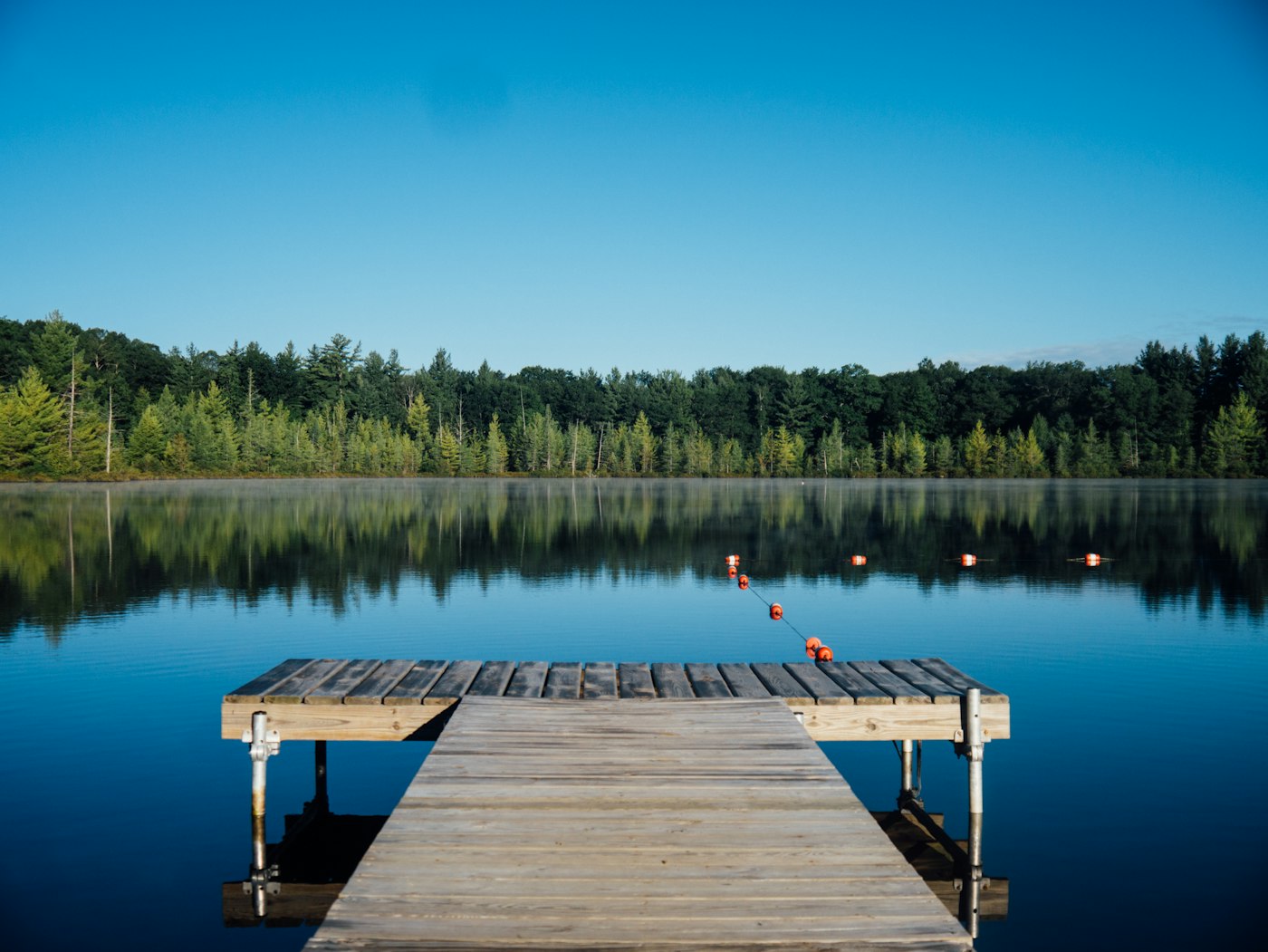
Finish · 10 km FinishThe reservoir appears around a final bend. Green water, mountains reflected in the surface and almost total silence. The return to Proaza goes faster — gravity on your side.
Good to know
October — the best month
The beech forest turns orange and gold. Very few visitors and extraordinary afternoon light.
Flora and wildlife
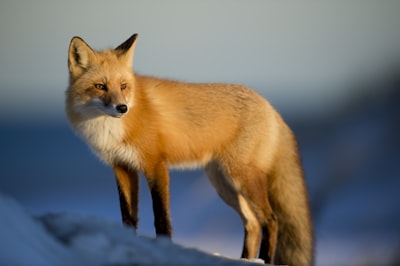
Beech, oak, holly and wild cherry. Possible sightings: foxes, deer and roe deer early in the morning.
No services on route
No bars, fountains or shops from Proaza to Valdemurio. Bring water and snacks from Proaza.
For older children
The climb makes it less suitable for under-7s. From 8 upwards with some cycling experience, a rewarding challenge.
Frequently asked questions
Can I combine Tuñón–Proaza and Proaza–Valdemurio in one day?
Yes, a popular combination: 21 km total. Do the flat section first, tackle Valdemurio with fresh legs, then return by shuttle to Tuñón.
Is there a shuttle for the Proaza–Valdemurio section?
Not all companies offer it specifically for this branch. Check when booking — some organise it on request for groups.
Is it a round trip?
Yes: you go up to Valdemurio and come back the same way. The descent is noticeably faster and less demanding.
When does the beech forest change colour?
Usually in October. The exact timing varies by year and altitude, but the second half of October is usually reliable.